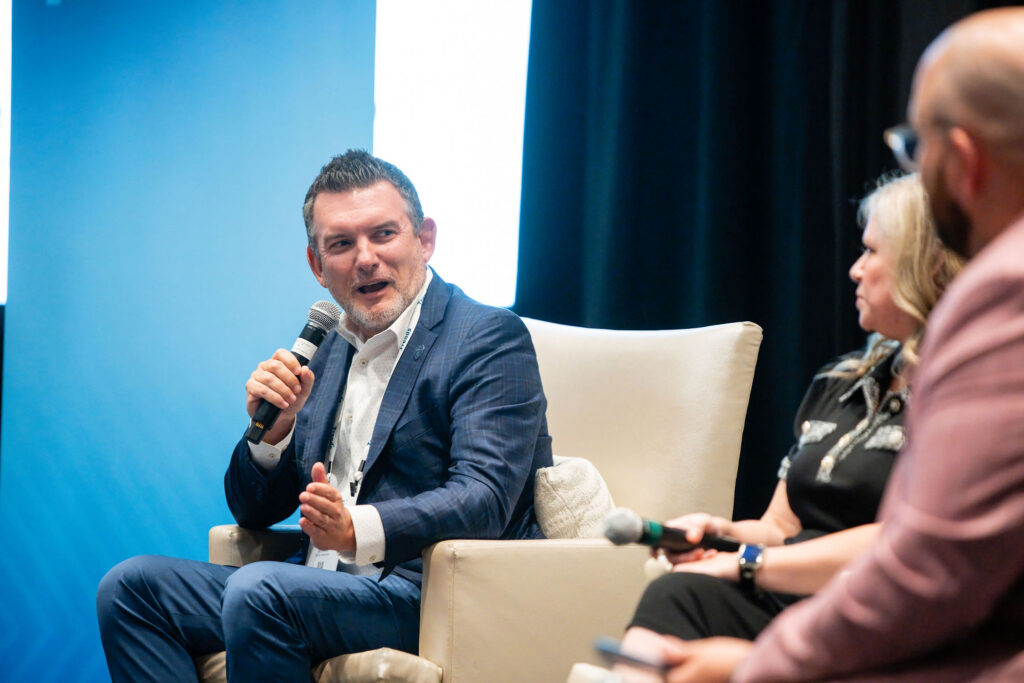
More than ever, senior living providers are taking steps to address brain health and rising resident acuity in memory care operations.
Memory care is evolving to serve residents with greater clinical acuity and early onset of cognitive change in younger, older adults. Providers – who have historically shaped operations around the needs of residents living with Alzheimer’s disease, in particular – are now seeing a rise in more complex and newer medical diagnoses, such as chronic traumatic encephalopathy (CTE), a progressive cognitive disease caused by repeated head injuries.
These changes in making memory care more complex have led providers to invest in purpose-built communities while placing a greater emphasis on early detection tools such as diagnostic blood tests and genetic testing, along with new technology to slow the progression of cognitive decline in older adults living in memory care communities.
At the same time, the memory care sector is shifting from a clinical and safety model to include more programming and operational emphasis on purpose, identity and lifestyle of older adults living with cognitive change.
Providers including Irvine, California-based Silverado and Solana, California-based Senior Resource Group (SRG) are taking steps to bring more personalized services and engagement to memory care residents. For example, Silverado recently took a group of memory care residents on a trip to Las Vegas and facilitated experiences for residents to visit sporting events.
Within the Enliven memory care program, SRG built its model around honoring the self-expression and past life history of older adults. In practice, that means allowing memory care residents to have opportunities to “be who they are” even as their acuity and cognitive function change. Frontline staff in SRG communities are trained to pick up on personal details of residents and connect with them.
For example, a resident was a lifelong fan of the University of Southern California (USC) football team, and staff sat with the resident to watch games during the season. These small moments add up over time to build strong relationships, and this is part of the company’s “Say Yes” initiative to replace generic activities with more personalized and engaging experiences, according to Vice President of Memory Care Melissa Dillon.
Both SRG and Silverado are retooling their memory care programs to focus on the longevity of older adults, bringing more data-informed decisions into memory care planning, operations and engagement.
“I think that ‘who we are as memory care’ will continue to look at the programming piece …, [asking ourselves] ‘does the person benefit from the programming that is being offered,’” Dillon explained during a panel at the Senior Housing News TRENDS conference.
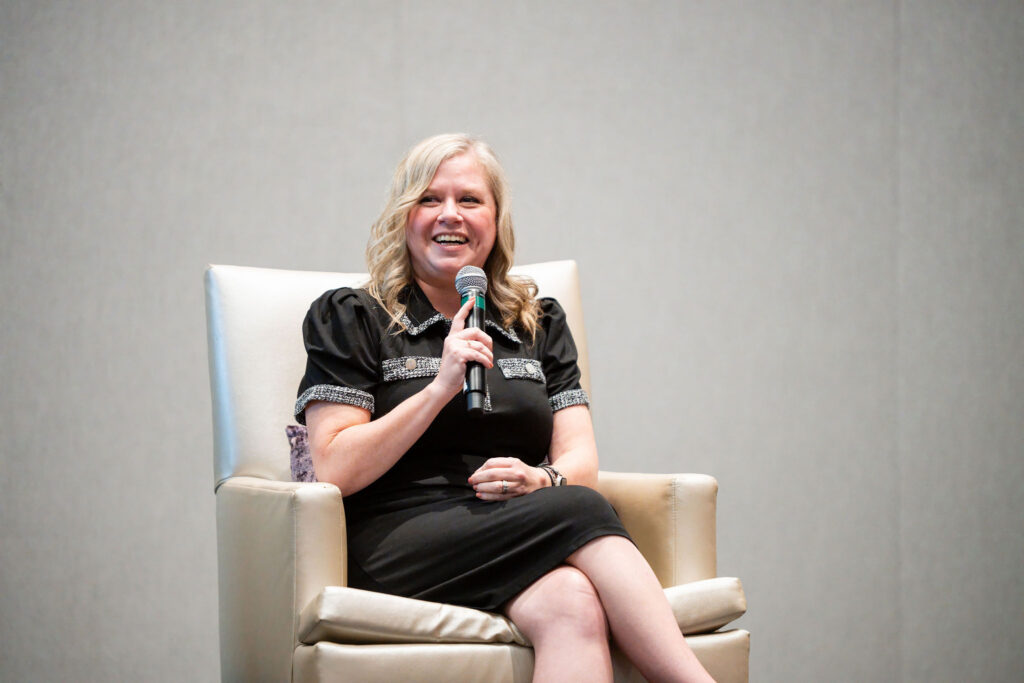 Merz Photography on behalf of Arrowfly
Silverado’s Nexus memory care program brings specialized care and evidence-based practices to its memory care communities to support cognitive function and slow the progression of early-stage dementia. The Nexus program has grown to focus on five pillars of brain health: physical activity, cognitive exercises, stress reduction, social engagement and peer support.
‘We wish we had bunk beds’
It’s no secret that demand for memory care continues to climb in 2026, as a growing cohort of older adults needs specialized services and support.
According to the Alzheimer’s Association, there are more than 7 million older adults living with Alzheimer’s dementia in the U.S., with that figure expected to nearly double by 2050. According to the National Institutes of Health, the number of new dementia cases diagnosed in the U.S. annually is projected to increase from 514,000 in 2020 to roughly 1 million annually by 2060. A recent study published in Nature Medicine by NYU Langone Health estimates that 42% of older Americans who reach age 55 may develop dementia.
Already, memory care communities are often at high occupancy, with both Silverado and SRG reporting an influx in older adults seeking memory care in the last six years.
“Consistently, we see our communities … are full and that will continue to be full, so much so that we wish we had bunk beds,” Dillon said. “Now, we’re approaching it beyond the programming and caregiver ratio, and trying to understand, ‘Is there something therapeutic and beneficial that’s connecting with them differently than assisted living?”
Silverado has a history of past development to bring purpose-built memory care communities into reality. This year, Silverado hired a vice president of development to meet future demand, CEO Wayne Sanner said at TRENDS.
Despite tougher conditions tied to construction and financing costs, it is also incumbent on providers to take steps toward addressing the growing lack of new development across the industry, Sanner said. At the same time, Silverado is also in “acquisition mode,” focused on acquiring distressed communities, repositioning them and charting a path toward stabilized, quality senior living operations, he continued.
“It’s needed, and we’re just going to take that risk and bank on the economics becoming better and more favorable in the years ahead,” Sanner said. “The demand wave is going to be so big in the next several years that even those opportunities are going to become fewer, and development is going to be necessary.”
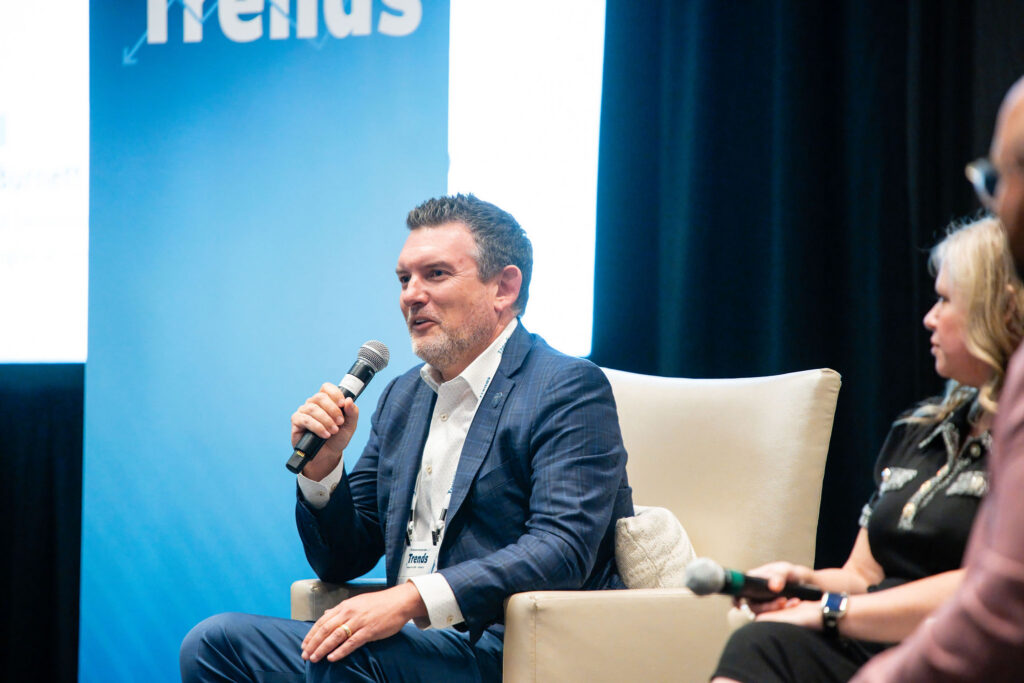
To meet demand, Dillon said senior living providers must focus on educational efforts to explain the difference between assisted living and memory care to families and prospective residents and their caregivers. That means going beyond explaining unit layouts and social programs, explaining how healthcare services and lifestyle are paired together to create a productive environment for older adults living with cognitive change.
Adapting operations, taking ‘big’ swings
Memory care operations must be “laser-focused and intentional” about explaining memory care practices to prospects and families, while maintaining strong training and engagement with staff, Dillon said.
After ascending to CEO, Sanner has stressed the mentality “dream big, act big and love big” through its communities, taking bold swings at creating lasting experiences for older adults living with cognitive change, such as the Las Vegas excursion. The whole idea is to think differently about what’s possible in memory care, he said.
“It’s the difference between just going to watch a baseball game — which is great — and actually creating an experience,” Sanner said. “Can our residents get on the field, throw a first pitch and bring back the memories they have from playing as a child or as a parent? To me, that’s what ‘dream big, act big, love big’ really means: challenging ourselves to create those wild, meaningful experiences for our residents.”
Caregiving roles are often task-oriented, and that’s caused SRG to rethink the tasks it asks staff to complete when working in memory care. That could mean seemingly small gestures such as having lunch with a resident or spending time with them.
“If we just create it as a task, it is something to be checked off. But it is looking at the individualization of that person and continuing to celebrate it. It’s easier to execute,” Dillon said.
Bringing more technology in to support staff has been critical for Silverado, as the company is running an AI pilot program that analyzes resident health data to identify patterns associated with falls, mood and behavior to address healthcare needs before acuity changes suddenly.
“Especially in memory care, human touch, eye contact, those interactions are so pivotal,” Sanner said. “If the technology enhances that, allows for more of that, then fantastic.”
Sanner pointed to the company’s recent pilot of the Memory Air bedside device that releases a sequence of pleasant natural scents while residents sleep, giving memory care residents olfactory enrichment to stimulate neural pathways tied to memory and cognitive resilience. Following the pilot, Sanner said, Silverado has “doubled down” on the program and intends to roll out these devices across more memory care communities in the future.
In the coming years, Sanner sees early detection and slowing the progression of cognitive decline as the biggest opportunities in memory care that operators must prepare for.
These efforts can give families the “gift of time and peace of mind” for spending more quality time with their loved ones experiencing cognitive change. Silverado also recently partnered with a company on pain assessments using facial recognition to address underdiagnosed or misdiagnosed underlying health conditions in older adults living in memory care that can result in adverse behavioral expression.
On its end, SRG recently partnered with journalist Marc Middleton’s Growing Bolder company that produces and distributes content around health, well-being and active living, with SRG launching “longevity clubs” across its communities. SRG is primarily an independent living provider, and the clubs are a way to connect older adults with resources related to lifestyle and preventing cognitive decline before symptoms arise, Dillon said.
It’s important for memory care providers today to understand the end goal for using more technology and data in operations, Dillon said, because data is only valuable if it creates actionable change — especially for older adults with dementia that can’t easily communicate. By tracking engagement, attendance and other data, SRG teams can better plan “who to see first” and what to do next.
Looking ahead, Dillon said providers must take steps to address operations amid growing memory care demand.
“You need to really clearly define what programming means for you,” Dillon said. “It is not just engagement; it’s the program of the dining program, the living environment itself, and that we actually put training into the programming piece.”
Sanner emphasized routine training as a core principle providers must include in their memory care segments to stress personalization, purpose and connection between memory care residents and staff. The company relies on a 23-hour training course broken up into installments accredited through Alzheimer’s Disease International.
“Investing in training, education, and investing in leadership development – I think that’s where it’s at as this profession continues to evolve and change so rapidly,” Sanner said.
Companies featured in this article: